
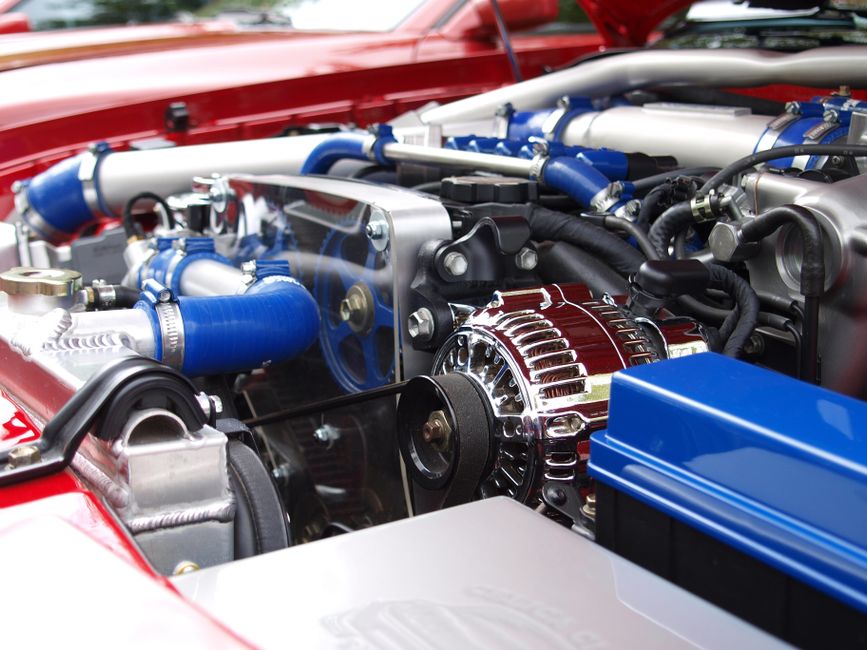
Maintaining your car’s engine performance and longevity requires consistent attention and a proactive approach to care. Your engine represents the heart of your vehicle, and like any vital organ, it needs regular maintenance to function optimally for years to come. Modern engines are engineering marvels capable of running for hundreds of thousands of miles, but only when properly maintained. The difference between an engine that fails at 100,000 miles and one that exceeds 300,000 miles often comes down to the quality and consistency of maintenance practices. Understanding what your engine needs and when it needs it can save you thousands in repair costs while keeping your vehicle running smoothly. Every driver should recognize that preventive maintenance costs a fraction of what major engine repairs demand.
Regular oil changes remain non-negotiable
Engine oil serves multiple critical functions beyond simple lubrication. It reduces friction between moving parts, carries heat away from combustion chambers, and prevents the buildup of harmful deposits. Most manufacturers recommend oil changes every 5,000 to 7,500 miles for conventional oil, or up to 10,000 miles for full synthetic formulations. However, severe driving conditions like frequent short trips, extreme temperatures, or towing heavy loads may require more frequent intervals. Always consult your owner’s manual for specific recommendations tailored to your vehicle. Using the correct oil viscosity matters tremendously, as modern engines are designed with specific tolerances that require precise lubrication properties. Ignoring oil change intervals allows contaminants to accumulate, accelerating wear on critical components like pistons, camshafts, and bearings.
The cooling system demands vigilant oversight
Your engine’s cooling system prevents catastrophic overheating that can warp cylinder heads or crack engine blocks. The radiator, water pump, thermostat, and hoses work together to maintain optimal operating temperature, typically between 195 and 220 degrees Fahrenheit. Coolant should be flushed and replaced every 30,000 to 50,000 miles, depending on the type used. Inspecting hoses for cracks, bulges, or soft spots takes only minutes but can prevent roadside breakdowns. The ba u connecting various cooling system components requires periodic inspection, as leaks often develop at connection points where different materials meet. Quality gasket sheets used in cooling system repairs ensure proper sealing between mating surfaces, preventing coolant leaks that compromise engine temperature regulation. Never ignore rising temperature gauges or coolant warning lights, as even brief overheating episodes can cause permanent engine damage.
Air and fuel filters protect internal components
Clean air intake is essential for proper combustion and engine longevity. Your engine draws in thousands of gallons of air daily, and the air filter captures dust, pollen, and debris before they enter the combustion chambers. A clogged air filter restricts airflow, reducing power output and fuel efficiency while potentially allowing contaminants past worn filter media. Most air filters should be replaced every 15,000 to 30,000 miles, though dusty environments may necessitate more frequent changes. Fuel filters perform similar protective duties, screening out rust particles, dirt, and other contaminants from your fuel system. Modern fuel injection systems operate at pressures exceeding 40 psi and feature microscopic tolerances that make them vulnerable to particle damage. Replacing fuel filters according to manufacturer schedules, typically every 30,000 to 40,000 miles, prevents costly injector failures and maintains optimal engine performance.
Timing belt or chain maintenance prevents catastrophic failure
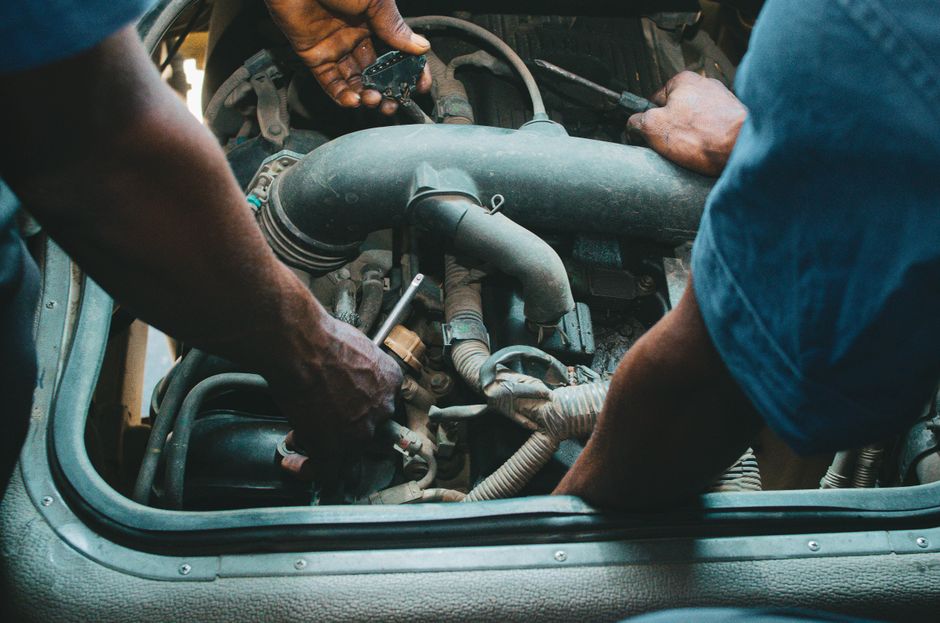
The timing belt or chain synchronizes crankshaft and camshaft rotation, ensuring valves open and close at precisely the right moments. Timing belt failure in interference engines causes pistons to collide with valves, resulting in bent valves, damaged pistons, and repair bills often exceeding several thousand dollars. Most timing belts require replacement between 60,000 and 100,000 miles, while timing chains typically last longer but still need periodic inspection. Water pump replacement during timing belt service makes economic sense, as labor costs overlap significantly. Does your vehicle use a timing belt or chain? Checking your owner’s manual provides this critical information and the recommended replacement interval. The ba u housing timing components must be properly sealed to prevent oil leaks that can contaminate and prematurely wear timing belts.
Ignition system components ensure efficient combustion
Spark plugs ignite the air-fuel mixture in each cylinder, and their condition directly affects engine performance, fuel economy, and emissions. Modern iridium or platinum spark plugs can last 100,000 miles, while conventional copper plugs need replacement every 30,000 miles. Worn spark plugs cause misfires, rough idling, poor acceleration, and reduced fuel efficiency. Ignition coils, which generate the high voltage needed for spark generation, can fail over time and should be inspected when replacing spark plugs. Spark plug wires or coil boots also deteriorate with age and heat exposure, causing voltage leaks that result in weak sparks. Replacing ignition components at recommended intervals maintains smooth engine operation and prevents unburned fuel from damaging catalytic converters, which cost upwards of $1,000 to replace.
Maintaining proper gasket and seal integrity
Engines contain dozens of gaskets and seals that prevent oil, coolant, and combustion gases from escaping their designated areas. Head gaskets seal the critical junction between cylinder heads and engine blocks, containing extreme combustion pressures. Valve cover gaskets prevent oil leaks from the top of the engine, while oil pan gaskets seal the bottom. Modern gasket sheets provide superior sealing capabilities compared to older cork or paper materials, especially in high-temperature applications. Regular inspection for oil spots under your vehicle or visible leaks around engine covers helps identify failing gaskets before minor seeps become major problems. Replacing gaskets promptly when leaks develop prevents oil loss that could lead to inadequate lubrication and subsequent engine damage. Some gaskets, like those in intake manifolds, also affect engine performance by preventing vacuum leaks that disrupt air-fuel ratios.
The value of quality replacement parts and fluids
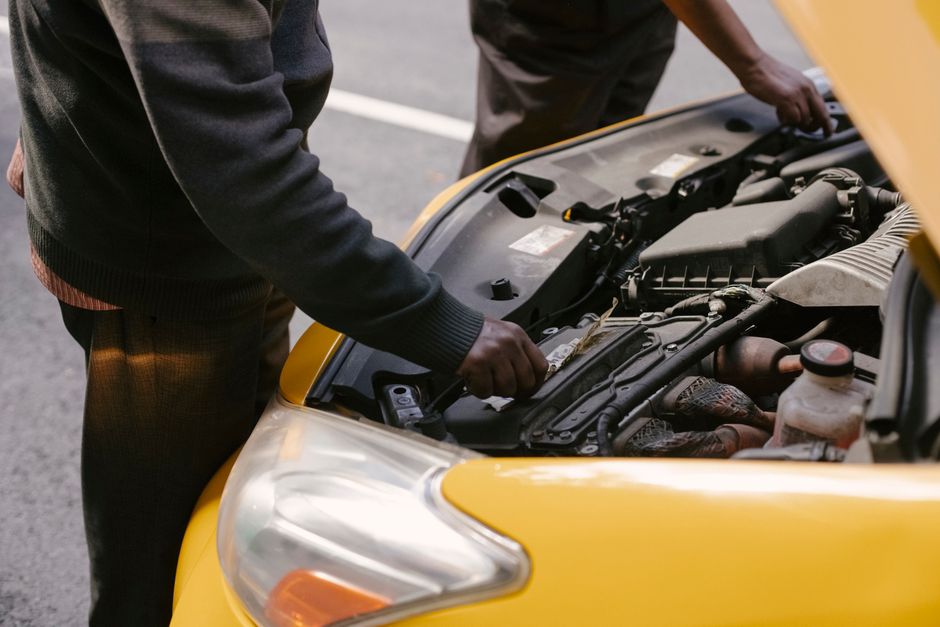
Maintaining your car’s engine performance and longevity depends significantly on using quality replacement parts and fluids. Cheap oil filters may lack adequate filtration capacity or bypass valve functionality, allowing contaminants to circulate through your engine. Quality spark plugs feature superior electrode materials that resist wear and maintain consistent spark gaps throughout their service life. Name-brand coolants contain additive packages that prevent corrosion and protect aluminum components common in modern engines. While premium parts cost more initially, they often provide better performance and longer service intervals, reducing overall ownership costs. Original equipment manufacturer parts guarantee proper fit and function, though quality aftermarket alternatives can offer excellent value. Always verify that replacement parts meet or exceed manufacturer specifications rather than simply choosing the cheapest option available.
Driving habits influence engine lifespan
How you drive affects engine longevity as much as maintenance practices. Allowing your engine to warm up for 30 seconds before driving, rather than extended idling, reduces wear while limiting fuel waste and emissions. Avoiding aggressive acceleration and hard braking reduces stress on engine components and improves fuel economy by up to twenty percent. Highway driving is less demanding than stop-and-go traffic, which explains why many manufacturers define city driving as severe service requiring shorter maintenance intervals. Regularly varying your driving speeds and routes helps prevent carbon buildup common in engines operated exclusively for short trips at low speeds. What might seem like minor driving adjustments can compound over years into significant differences in engine wear and maintenance costs.
