
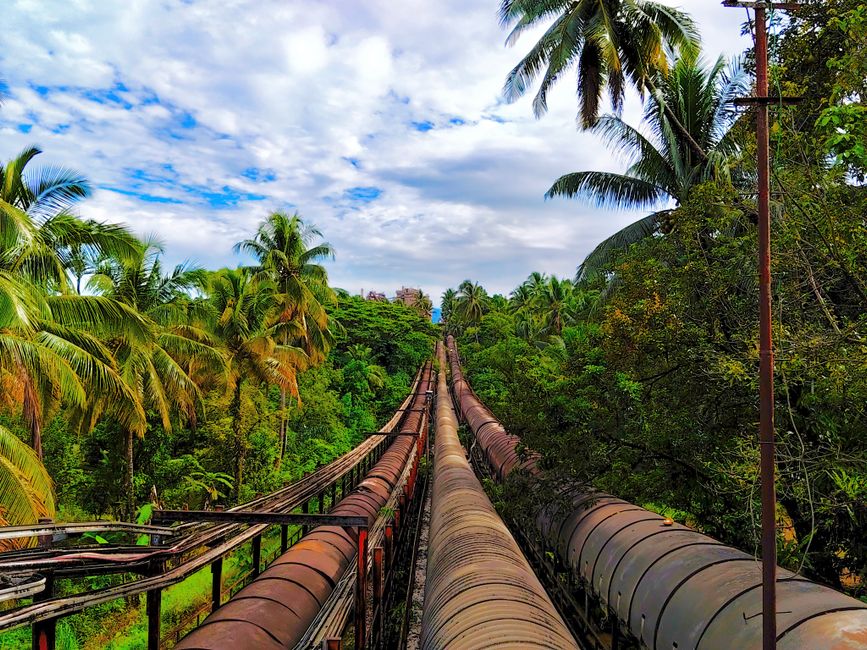
Pipeline networks form the backbone of industrial operations across manufacturing, chemical processing, oil and gas, and water treatment facilities. When these systems fail, the consequences extend far beyond simple operational disruptions. The best practices for preventing fluid leakage in pipeline networks have evolved significantly over the past decade, driven by stricter environmental regulations and mounting economic pressures. A single leak can cost companies thousands of dollars in lost product, environmental cleanup, regulatory fines, and potential safety incidents. Modern facilities report that implementing comprehensive leak prevention strategies reduces maintenance costs by up to forty percent while simultaneously improving system reliability and worker safety.
The financial impact of pipeline leaks often catches facility managers by surprise. Beyond the immediate cost of lost fluid, companies face production downtime that can exceed fifty thousand dollars per day in large-scale operations. Environmental remediation costs escalate quickly, particularly when hazardous materials contaminate soil or groundwater. Insurance premiums increase following leak incidents, and regulatory bodies impose fines that range from ten thousand to several million dollars depending on severity and environmental impact. Perhaps most significantly, reputational damage can affect customer relationships and market position for years after a major leak event. These cumulative costs make leak prevention not just an operational necessity but a strategic business priority.
Selecting appropriate sealing materials for your application
Material selection represents one of the most critical decisions in leak prevention strategy. Different applications demand different sealing solutions based on temperature ranges, pressure levels, chemical compatibility, and operational dynamics. Gasket sheets provide versatile sealing solutions for flat flange connections and can be customized to match specific dimensional requirements and performance criteria. These materials come in various compositions including compressed fiber, graphite, PTFE, and rubber compounds, each offering distinct advantages for particular operating conditions. Understanding the chemical nature of the fluids being transported is essential because incompatible materials degrade rapidly, leading to premature failure and unexpected leaks.
Temperature extremes challenge even the most robust sealing systems. High-temperature applications above two hundred degrees Celsius require specialized materials like flexible graphite that maintain sealing integrity under thermal stress. Conversely, cryogenic applications demand materials that remain flexible at temperatures approaching negative two hundred degrees Celsius. Pressure cycling creates additional complications as repeated expansion and contraction fatigues sealing materials over time. Gasket sheets manufactured from multi-layer composite materials often provide superior performance in applications with frequent pressure fluctuations because they accommodate movement while maintaining consistent sealing force. Chemical compatibility testing should always precede material selection, as certain aggressive chemicals attack seemingly durable materials within hours of exposure.
Implementing proper installation procedures
Even the highest quality sealing materials fail when installed incorrectly. Proper flange preparation begins with thorough cleaning to remove old gasket material, rust, scale, and surface contaminants that prevent uniform sealing contact. Surface finish matters enormously, with most gasket manufacturers specifying acceptable roughness values between sixty-three and two hundred fifty microinches. Flange faces should be inspected for warping, scoring, or damage that creates leak paths regardless of gasket quality. Many facilities now use precision measurement tools to verify flange flatness before installation, ensuring surfaces meet specifications within three thousandths of an inch across the entire sealing area.
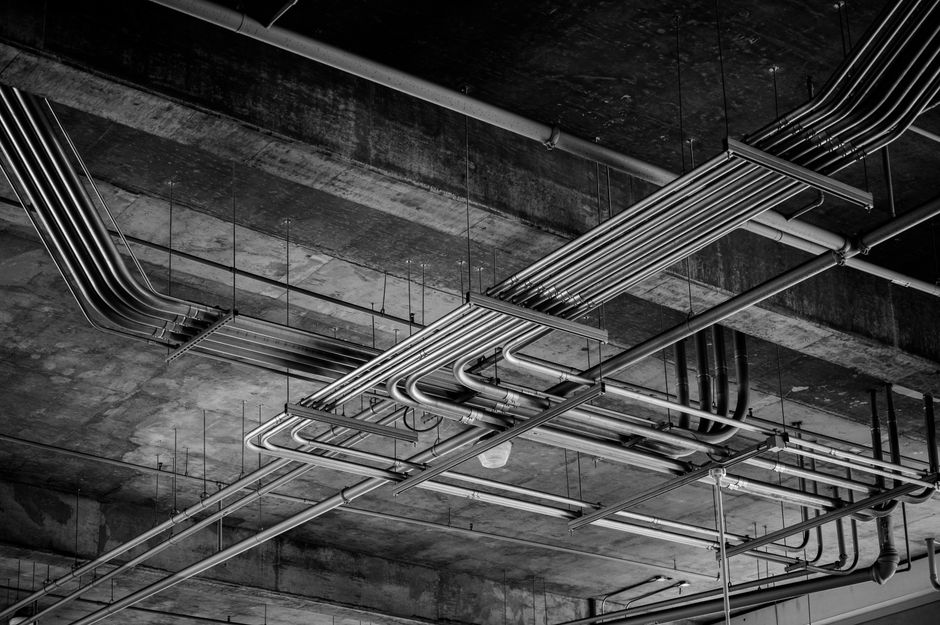
Bolt tightening methodology directly influences seal performance and longevity. Sequential tightening in a star pattern distributes stress evenly across the gasket surface, preventing localized compression that creates leak paths at undertightened locations. Torque wrenches calibrated within the past six months ensure accurate bolt loading according to manufacturer specifications. Under-tightening represents the most common installation error, leaving insufficient sealing force to contain system pressure. Over-tightening proves equally problematic, crushing gasket material beyond its elastic recovery capability and causing immediate or delayed failure. Modern best practices recommend multiple tightening passes, gradually increasing torque to final specifications while allowing gasket material to settle and redistribute stress. Some facilities implement hydraulic bolt tensioning systems for critical connections, achieving more uniform and reliable bolt loading than traditional torque methods.
Utilizing advanced gasket designs for challenging conditions
Traditional flat gaskets serve many applications effectively, but demanding conditions require more sophisticated sealing solutions. Kammprofile gaskets combine a serrated metal core with soft sealing layers, delivering exceptional performance in high-pressure and high-temperature services. The concentric grooves machined into the metal core create multiple sealing lines that enhance leak resistance while the outer sealing layers accommodate minor surface imperfections. These hybrid designs bridge the gap between soft gaskets and solid metal seals, offering resilience that withstands thermal cycling and pressure fluctuations that defeat conventional materials. Many petrochemical facilities specify kammprofile gaskets for flange connections operating above six hundred PSI or handling hazardous fluids where leak prevention is paramount.
Spiral wound gaskets provide another advanced option for critical services, featuring alternating layers of metal and filler material wound into a spiral configuration. These gaskets excel in applications with significant temperature variations because the metal winding provides structural strength while the soft filler maintains seal integrity. Ring joint gaskets serve the most extreme pressure applications in oil and gas production, with metal-to-metal sealing that contains pressures exceeding ten thousand PSI. The choice between these advanced designs depends on specific operating parameters, but all share common advantages of superior resilience and longer service life compared to basic flat gaskets. How do you determine which advanced gasket design suits your application? Consider the combination of pressure, temperature, and fluid characteristics alongside the anticipated frequency of assembly and disassembly.
Establishing comprehensive inspection and maintenance programs
Prevention requires vigilance beyond initial installation. Regular inspection programs identify developing problems before they escalate into costly leaks. Visual inspections conducted weekly or monthly depending on system criticality reveal early warning signs including staining, corrosion, or visible seepage around flanges. Ultrasonic leak detection equipment identifies microscopic leaks long before they become visible, allowing proactive intervention. Infrared thermography detects temperature anomalies that indicate internal degradation or impending seal failure. Facilities operating critical systems increasingly deploy continuous monitoring solutions with sensors that measure vibration, acoustic emissions, and even chemical signatures indicating seal degradation.
Documentation practices separate excellent maintenance programs from mediocre ones. Detailed records tracking installation dates, torque specifications, gasket materials, and operating conditions enable trend analysis that predicts failure patterns. When leaks occur despite preventive measures, thorough root cause analysis prevents recurrence by identifying underlying issues rather than merely addressing symptoms. Some facilities maintain digital databases with photographic records of each connection, creating invaluable references for troubleshooting and planning. Predictive maintenance approaches using this historical data allow scheduling replacements during planned shutdowns rather than responding to emergency failures. The investment in comprehensive documentation typically returns tenfold through reduced unplanned downtime and optimized spare parts inventory.
Training personnel for optimal leak prevention outcomes
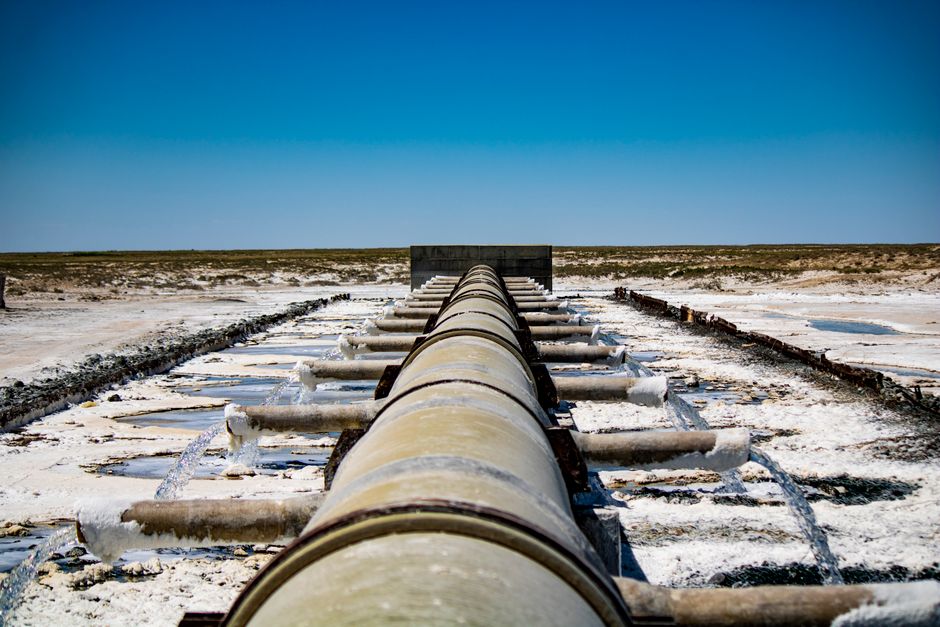
Technology and materials matter, but skilled personnel ultimately determine system reliability. Comprehensive training programs ensure maintenance technicians understand proper installation techniques, torque specifications, and material selection principles. Many facilities require certification programs demonstrating competency before technicians work on critical systems. Training should cover the physics of sealing, explaining how gaskets function and why specific procedures matter. When personnel understand the reasoning behind best practices, they apply them more consistently and adapt appropriately to unusual situations. Regular refresher training addresses knowledge decay and introduces new techniques as industry practices evolve.
Cross-functional communication enhances leak prevention effectiveness significantly. Operators who understand early warning signs report potential issues before they become emergencies. Engineering teams that consult with maintenance personnel during design phases create systems that balance performance with maintainability. Purchasing departments informed about material specifications avoid cost-saving substitutions that compromise reliability. This collaborative approach to preventing fluid leakage in pipeline networks creates organizational cultures where leak prevention becomes everyone’s responsibility rather than solely a maintenance department concern. What role does organizational culture play in your facility’s leak prevention success?
Optimizing system design for leak minimization
The best practices for preventing fluid leakage in pipeline networks begin at the design stage. Minimizing flanged connections reduces potential leak points, with welded construction offering superior leak resistance where permanent joints are acceptable. When flanges are necessary, proper sizing according to pressure ratings and service conditions ensures adequate sealing surface area and bolt loading capacity. Valve selection impacts leak potential significantly, with rising stem designs typically providing more reliable stem sealing than rotating stems in critical applications. Pipeline support systems that prevent excessive vibration and thermal stress protect sealing integrity throughout the system lifecycle.
Design considerations extend to maintenance accessibility and operational procedures. Flanges positioned for easy access facilitate proper installation and routine inspection, while connections buried behind equipment or positioned overhead invite installation shortcuts that compromise seal quality. Isolation valves placed strategically allow sections to be depressurized safely for maintenance without shutting down entire systems. Pressure relief systems protect seals from destructive overpressure events that exceed design ratings. Thermal expansion accommodation through proper support spacing and expansion loops prevents stress concentration at connections. These design elements collectively create systems where maintaining seal integrity remains practical and sustainable throughout decades of operation. The initial investment in thoughtful design returns continuously through reduced maintenance costs and enhanced operational reliability across the entire facility lifespan.
