
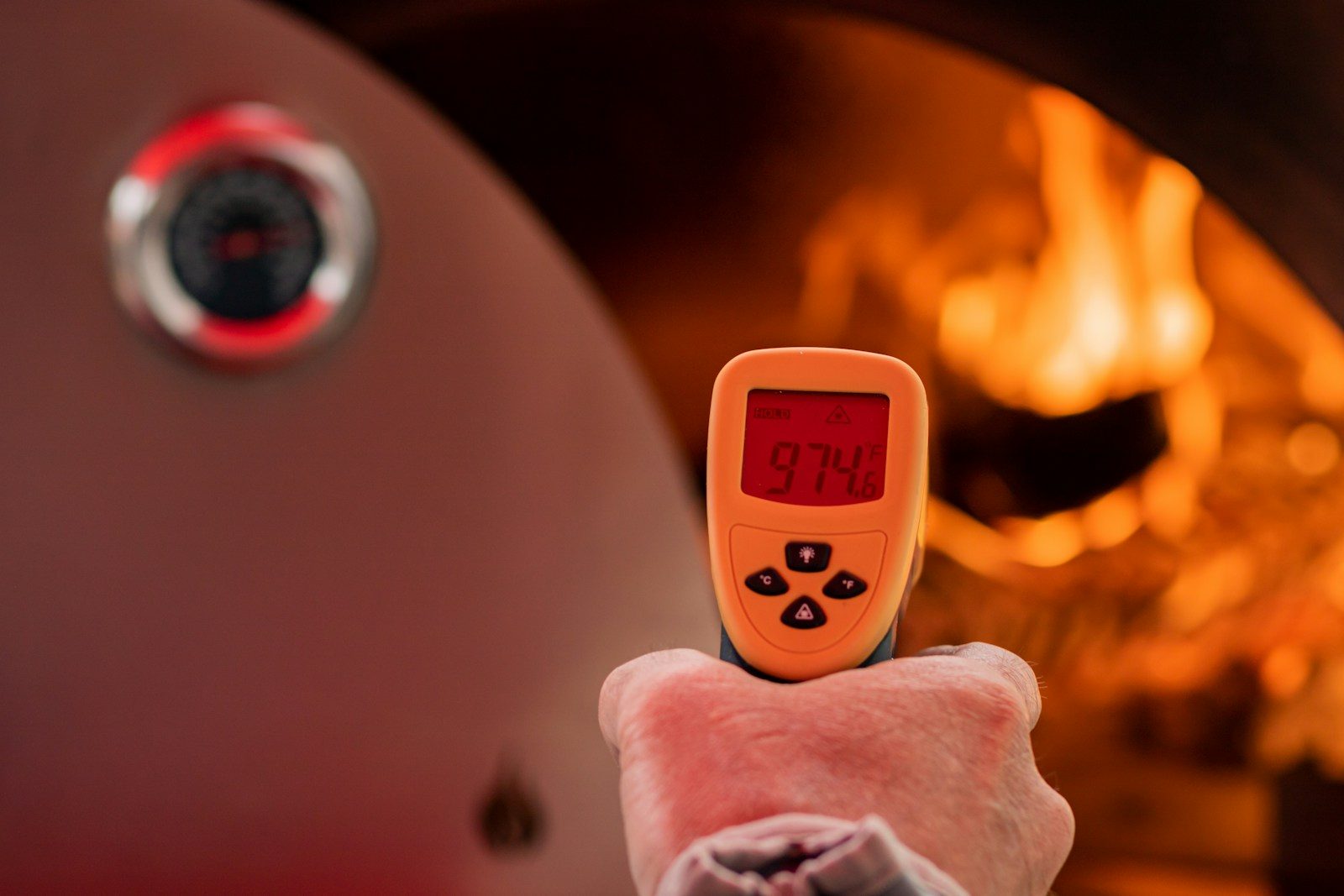
Optimizing temperature control in large-scale manufacturing operations has become a defining factor in maintaining product quality, operational efficiency, and competitive advantage. In industries ranging from pharmaceuticals to food processing, automotive manufacturing to chemical production, the ability to maintain precise thermal conditions directly impacts yield rates, energy consumption, and equipment longevity. Modern facilities process millions of units annually, and even a single degree of deviation can translate into significant financial losses or compromised product integrity. The stakes are high, and manufacturers who master thermal management gain a measurable edge in their markets.
Temperature fluctuations in production environments create cascading problems that extend far beyond immediate product quality concerns. Equipment operates less efficiently when thermal conditions vary unpredictably, leading to increased maintenance costs and shortened operational lifespans. Workers face safety risks in poorly controlled environments, particularly in facilities handling high-temperature processes or temperature-sensitive materials. Energy waste from inadequate thermal management can account for twenty to thirty percent of a facility’s total utility costs, according to industrial energy audits conducted across multiple sectors. The financial implications alone justify significant investment in robust temperature control systems.
Understanding the fundamentals of industrial thermal systems
Large-scale manufacturing facilities rely on complex networks of heating, cooling, and heat exchange equipment to maintain optimal operating temperatures. These systems must handle enormous thermal loads while responding quickly to process variations and external conditions. A typical automotive paint shop, for example, requires precise temperature control within spray booths where ambient conditions must remain between sixty-five and seventy-five degrees Fahrenheit with minimal humidity fluctuation. Chemical reactors demand even tighter tolerances, sometimes maintaining temperatures within half a degree across vessels containing thousands of gallons of reactive materials.
The infrastructure supporting these thermal requirements includes chillers, boilers, cooling towers, and extensive piping networks that distribute thermal media throughout facilities spanning hundreds of thousands of square feet. Heat exchangers serve as the workhorses of these systems, transferring thermal energy between fluids without allowing them to mix. The reliability of a heat exchanger gasket becomes critical in these applications, as seal failure can lead to cross-contamination, system pressure loss, and unplanned downtime. Facilities operating continuous processes cannot afford unexpected shutdowns, making preventive maintenance and component selection paramount considerations.

Selecting appropriate sealing solutions for thermal equipment
The choice of gasket materials in heat exchange equipment directly affects system reliability and maintenance intervals. Traditional materials like rubber and fiber composites have given way to advanced options that withstand extreme temperatures and aggressive chemical environments. PTFE gaskets have gained widespread adoption in pharmaceutical and food processing applications due to their exceptional chemical resistance and ability to maintain integrity across temperature ranges from negative four hundred to five hundred degrees Fahrenheit. Their non-reactive properties prevent contamination, a critical requirement in industries where product purity cannot be compromised.
However, different applications demand different sealing approaches. High-temperature processes in metal forging, glass manufacturing, and power generation often exceed the operational limits of polymer-based materials. In these environments, mica gasket material provides reliable sealing performance at temperatures reaching one thousand degrees Fahrenheit or higher. The naturally occurring mineral structure of mica creates a flexible yet durable seal that conforms to flange irregularities while maintaining structural integrity under thermal cycling. Maintenance teams must understand these material properties to specify appropriate components for each application within their facilities.
Implementing predictive maintenance protocols
Modern temperature control optimization extends beyond equipment selection to encompass comprehensive monitoring and maintenance strategies. Thermal imaging cameras allow maintenance personnel to identify heat loss, insulation failures, and developing equipment problems before they cause system failures. Regular scanning of pipe networks, valve assemblies, and heat exchanger housings reveals temperature anomalies that indicate impending issues. Facilities implementing quarterly thermal surveys report thirty to forty percent reductions in unplanned downtime compared to reactive maintenance approaches.
Data logging systems now track temperature variations across multiple points in production processes, creating historical records that reveal patterns and trends. This information enables process engineers to optimize setpoints, reduce energy consumption, and identify equipment operating outside normal parameters. When temperature sensors detect deviations from established baselines, automated alerts notify maintenance teams before conditions affect product quality. A food processing facility in the Midwest reduced product waste by eighteen percent after implementing continuous temperature monitoring across its refrigeration systems, catching refrigerant leaks and compressor inefficiencies within hours rather than days.
Addressing common thermal control challenges
Seasonal variations present ongoing challenges for facilities in regions experiencing significant temperature swings throughout the year. Summer heat loads can overwhelm cooling systems sized for average conditions, while winter cold affects process fluids and creates condensation issues. Smart facility managers design systems with seasonal capacity variations in mind, installing variable-speed drives on pumps and fans to adjust flow rates based on actual demand rather than peak capacity assumptions. This approach reduces energy consumption during moderate weather while maintaining performance during temperature extremes.
Heat exchanger gasket failures rank among the most common causes of thermal system inefficiency, yet many facilities continue operating with slow leaks that gradually worsen over time. Small refrigerant losses reduce cooling capacity by five to ten percent before becoming obvious to operators, forcing compressors to run longer and consume more energy. Implementing pressure testing protocols during scheduled maintenance intervals catches these subtle failures early, preserving system efficiency and preventing larger problems. Does your facility have documented procedures for seal inspection and replacement based on operating hours or thermal cycles?
Optimizing energy efficiency through system integration
The most effective approach to optimizing temperature control in large-scale manufacturing operations involves treating thermal management as an integrated system rather than isolated equipment. Heat recovery from exothermic processes can preheat incoming air or process water, reducing the energy required for separate heating systems. A chemical manufacturing plant in Texas captures waste heat from reactor cooling loops to generate hot water for cleaning operations, reducing natural gas consumption by twelve thousand therms annually. These integration opportunities exist in most facilities but require cross-functional analysis to identify and implement.
Building automation systems now coordinate HVAC equipment with production schedules, ramping capacity up or down based on actual occupancy and process requirements. Manufacturing facilities operating multiple shifts can adjust temperature setpoints during breaks and shift changes, reducing energy use without affecting worker comfort or product quality. Advanced control algorithms learn from historical data to anticipate thermal loads based on production schedules, weather forecasts, and equipment operating patterns. Facilities investing in these intelligent systems typically achieve payback periods of eighteen to thirty-six months through energy savings alone.
Material selection for extreme temperature applications
Applications involving steam systems, thermal oil circuits, and high-temperature process equipment demand gasket materials capable of withstanding prolonged exposure to extreme conditions. While PTFE gaskets excel in chemical resistance applications, their upper temperature limits make them unsuitable for superheated steam or thermal oil systems operating above four hundred degrees Fahrenheit. Engineers must carefully match material specifications to actual operating conditions, including temperature, pressure, and chemical exposure.
The layered structure of mica gasket material provides flexibility that compensates for thermal expansion and contraction in flanged connections experiencing significant temperature cycling. This characteristic proves particularly valuable in startup and shutdown cycles where temperature differentials create mechanical stress on sealing surfaces. Power generation facilities and industrial boiler operations have documented seal life improvements of three hundred percent or more when switching from compressed fiber gaskets to mica-based alternatives in high-temperature applications. These longevity improvements translate directly into reduced maintenance costs and improved system reliability.
Future trends in industrial temperature management
Emerging technologies promise to further enhance thermal control capabilities in manufacturing environments. Machine learning algorithms analyze sensor data from thousands of measurement points to predict equipment failures days or weeks before they occur, enabling truly predictive maintenance strategies. Wireless sensor networks eliminate the installation costs associated with hardwired temperature monitoring, making comprehensive measurement economically feasible even in existing facilities. How will these technological advances reshape your facility’s approach to thermal management over the next five years?
The integration of renewable energy sources creates new opportunities and challenges for industrial thermal systems. Solar thermal collectors supplement conventional heating systems, while thermal energy storage allows facilities to shift cooling loads to off-peak hours when electricity costs less. These innovations require sophisticated control systems that optimize between multiple energy sources based on availability, cost, and process requirements. Manufacturers embracing these technologies position themselves to reduce operating costs while meeting increasingly stringent environmental regulations and sustainability commitments.
