

Have you ever wondered why some gardens flourish while others struggle? The secret lies in understanding how nature organizes itself in layers. Cultivating a thriving garden understanding nature’s layers requires knowledge of how plants interact in their natural habitats. This ecological approach to gardening mimics forest structures, where plants coexist in harmony from the canopy down to the soil level. Just as industrial systems rely on proper sealing with reliable gasket sheets to prevent leakage, gardens depend on proper layering to maximize resources and create sustainable ecosystems.
The forest as a model for garden design
Nature doesn’t plant in rows. When we observe undisturbed forests, we see a complex arrangement of plants occupying different vertical spaces. This stratification allows maximum utilization of light, water, and nutrients. The tallest trees form the canopy layer, capturing sunlight and creating shade. Beneath them, smaller trees and shrubs thrive in filtered light. At ground level, herbaceous plants, groundcovers, and finally root vegetables complete the picture.
Implementing this layered approach in your garden creates a self-sustaining ecosystem that requires less maintenance while producing more. This mirrors how mica gasket material creates reliable seals in industrial settings through its layered structure that adapts to pressure and temperature changes. In your garden, each plant layer serves a specific function while contributing to the whole system’s health.
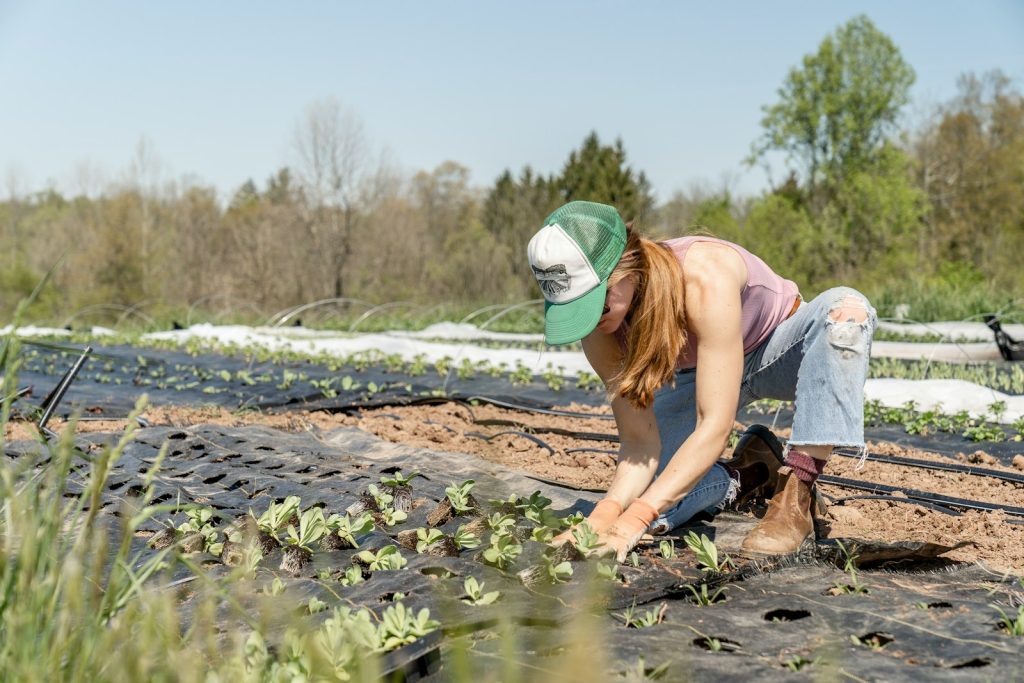
Starting from the ground up: soil as the foundation
The most crucial layer in cultivating a thriving garden understanding nature’s layers isn’t even visible – it’s the soil beneath our feet. Healthy soil teems with billions of microorganisms that break down organic matter, cycle nutrients, and create soil structure. Without this foundation, no garden can truly thrive.
To build healthy soil, incorporate compost regularly, disturb the soil as little as possible, and keep it covered with mulch or living plants. Consider adding organic matter that breaks down slowly, creating air pockets for root growth while retaining moisture. This layering approach to soil health functions similarly to how gasket sheets provide essential sealing in industrial applications by creating an adaptable boundary that maintains integrity while allowing necessary movement.
The root layer: often overlooked but vital
Below the soil surface, a complex network of roots creates another essential layer in your garden ecosystem. Different plants have different rooting depths and structures. Some, like carrots and parsnips, send taproots deep into the soil to access nutrients and water unavailable to shallow-rooted plants. Others, like many grasses, create dense, fibrous root systems near the surface that excel at preventing erosion.
When planning your garden, consider including plants with various root structures. This underground diversity improves soil structure while maximizing nutrient uptake. Deep-rooted plants can help break up compacted soil layers, creating channels for water infiltration. The interconnectedness of root systems resembles how mica gasket material uses its layered structure to create reliable seals in challenging environments.
The groundcover layer: living mulch
Nature abhors bare soil. In forest systems, fallen leaves, mosses, and low-growing plants cover the ground, protecting soil from erosion and temperature extremes. In your garden, groundcovers serve the same purpose while adding beauty and habitat value.
Groundcovers shade the soil, suppressing weeds and reducing evaporation. They can also provide food for beneficial insects and create habitat diversity. Some excellent options include creeping thyme, wild strawberries, and clover. These plants fill spaces between larger specimens, utilizing resources that would otherwise feed weeds. Their dense growth creates a living mulch that enriches the soil as plants naturally cycle through growth and decay, much like how gasket sheets create a protective barrier in industrial settings.
The herbaceous layer: seasonal beauty and function
Above the groundcovers rise the herbaceous plants – perennials, annuals, and vegetables that provide food, medicine, and beauty. This diverse layer changes throughout the seasons, with different plants emerging, blooming, and setting seed in a carefully orchestrated succession.
When cultivating a thriving garden understanding nature’s layers, plan for continuous blooms and harvests by interplanting early, mid, and late-season varieties. This approach ensures resources are utilized efficiently throughout the growing season. Consider how different plant heights create microclimates – taller plants can shade heat-sensitive crops during summer, while low-growing plants might benefit from the warmth reflected off a nearby stone or wall.
The shrub layer: structure and production
Shrubs provide structural elements that define garden spaces while offering food production, wildlife habitat, and year-round interest. In forest systems, this layer creates essential edge habitats that support tremendous biodiversity.
When selecting shrubs, consider multi-purpose varieties that provide several benefits. Elderberry, for example, offers beautiful flowers, nutritious berries, and habitat for beneficial insects. Hazelnut provides nuts, serves as a windbreak, and its fallen leaves enrich the soil. Arranging shrubs thoughtfully creates microclimates that can protect more sensitive plants, much like how mica gasket material provides protection in extreme industrial environments through its layered mineral structure.
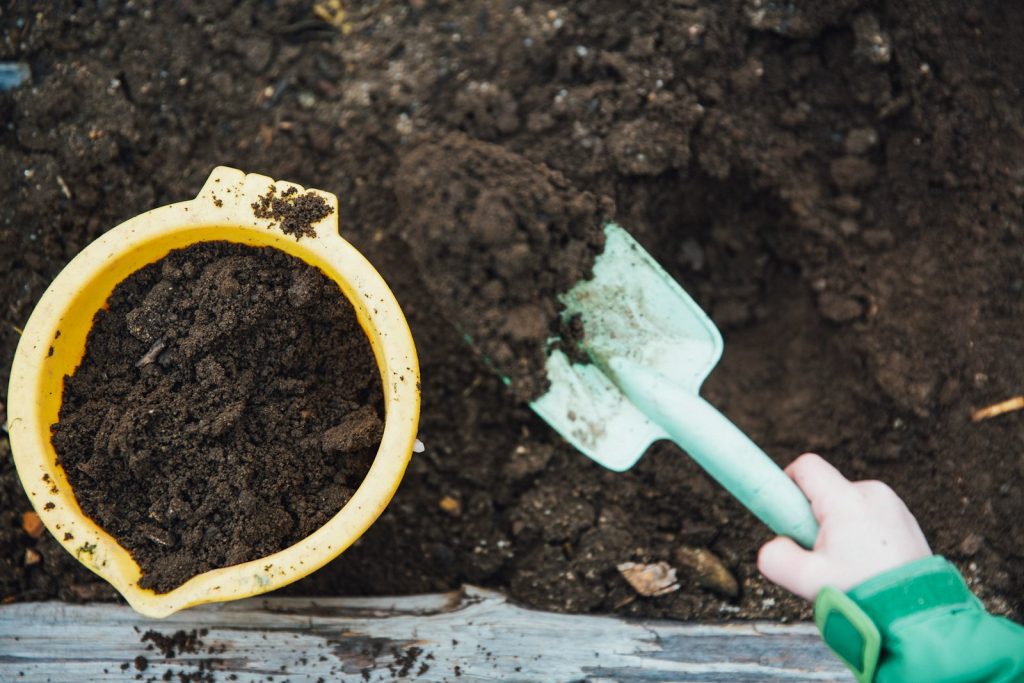
The tree layer: the garden canopy
Trees form the uppermost layer of the garden ecosystem, influencing everything beneath them through shade, wind protection, and leaf litter. They also connect the garden to the broader landscape, providing pathways for birds and other wildlife.
When incorporating trees, consider their mature size and how their shade patterns will affect other plants. Fruit and nut trees combine beauty with productivity, while nitrogen-fixing species like alders improve soil fertility for neighboring plants. Their deep roots access nutrients from far below the surface, cycling these elements to upper soil layers as leaves fall and decompose.
Creating harmony through thoughtful design
Cultivating a thriving garden understanding nature’s layers isn’t just about stacking plants vertically. It’s about creating harmonious relationships between plants that support each other’s growth. Just as gasket sheets must be precisely engineered to create effective seals in industrial settings, your garden layers must work together seamlessly.
Consider plant communities that naturally occur together in the wild. These plants have evolved alongside one another, developing complementary characteristics that allow them to thrive in proximity. By mimicking these natural associations in your garden, you’ll create a more resilient system that requires fewer inputs and produces more abundantly.
As you continue developing your layered garden, remember that this approach works with nature rather than against it. By understanding how plants interact in their natural habitats, you’ll create a productive, beautiful space that enhances the environment while providing for your needs. Your garden will become not just a collection of plants, but a living ecosystem that grows more vibrant and self-sustaining with each passing year.
