
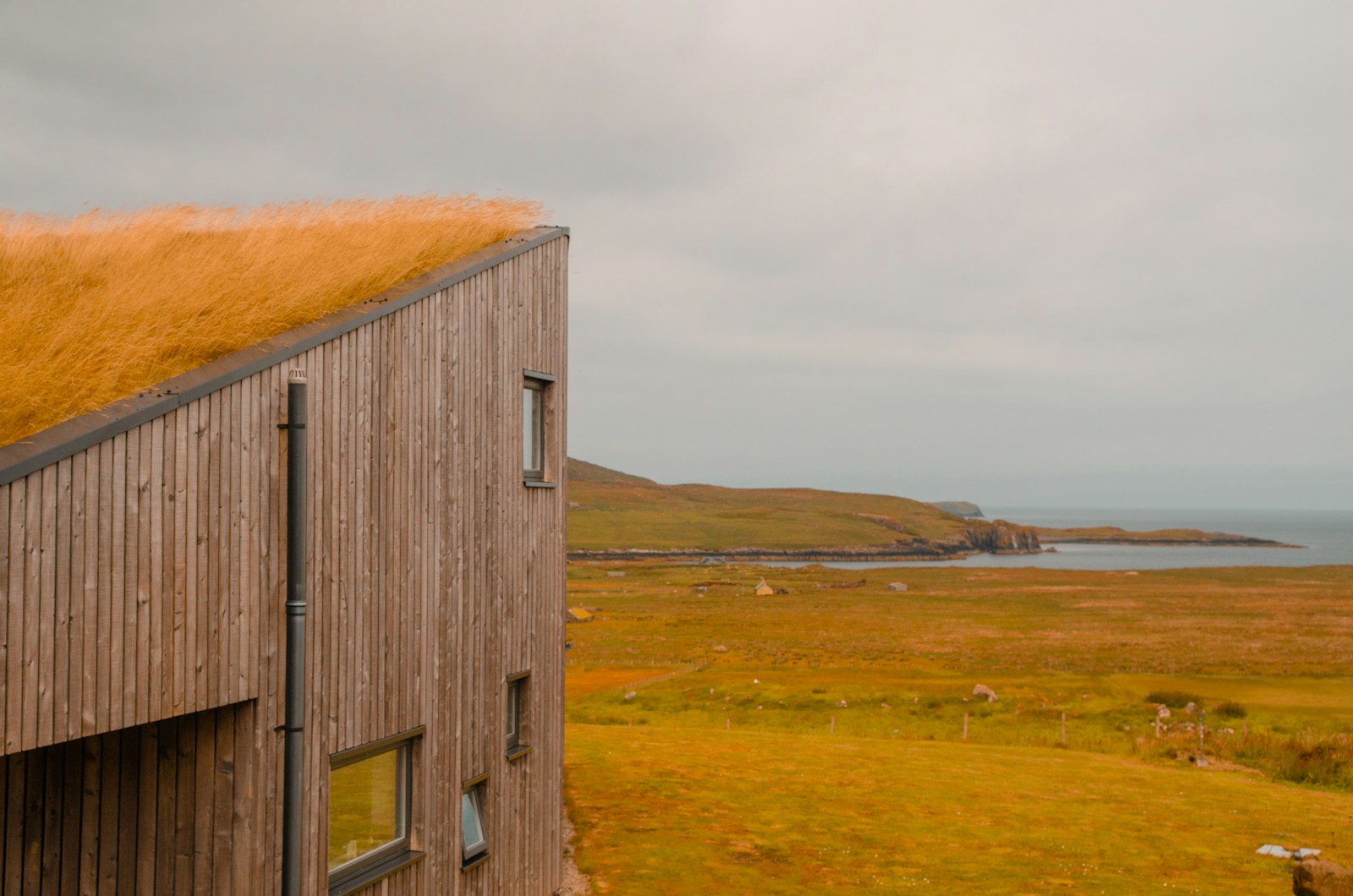
The concept of Building Tomorrow Greener Homes and Smarter Spaces has evolved from an aspirational ideal to a pressing necessity. As climate concerns mount and technology advances, homeowners, developers, and architects are embracing sustainable building practices that reduce environmental impact while enhancing comfort and efficiency. This shift represents more than just a trend—it embodies a fundamental rethinking of how we design, construct, and interact with our living environments. The fusion of eco-friendly materials, energy-efficient systems, and smart home technology is creating residences that are not only better for the planet but also healthier and more responsive to human needs. Having spent over two decades in sustainable architecture and consulting on projects across three continents, I’ve witnessed firsthand how these principles transform both buildings and the lives of those who inhabit them.
The foundation of sustainable building
Sustainable construction begins long before the first shovel hits the ground. The planning phase involves careful site selection and orientation to maximize natural light and ventilation while minimizing energy consumption. This approach, known as passive design, has been practiced for centuries but is now enhanced with modern materials and technologies. The ba-202 analytical framework, developed by environmental engineers at the University of California, provides builders with comprehensive guidelines for optimizing site layout and building envelope design based on local climate conditions. This scientific approach ensures that homes work with nature rather than against it.
Modern sustainable homes incorporate materials chosen for their low environmental impact, durability, and health properties. Recycled steel, which reduces mining impact while providing exceptional structural integrity, has become increasingly popular in residential construction. Similarly, bamboo flooring offers a rapidly renewable alternative to hardwoods, regenerating in just 3-5 years compared to decades for oak or maple. These material choices demonstrate how Building Tomorrow Greener Homes and Smarter Spaces doesn’t require sacrifice—many eco-friendly options outperform their conventional counterparts in terms of longevity and performance.
Energy efficiency: the cornerstone of greener living
The most environmentally friendly home is one that requires minimal external energy input. Today’s green homes achieve this through a combination of superior insulation, high-performance windows, and tight building envelopes. The difference is remarkable: while conventional homes might lose up to 30% of their heating and cooling through outdated windows and insufficient insulation, modern green homes can reduce this loss to under 5%, according to studies by the Department of Energy. This efficiency translates directly into lower utility bills and reduced carbon emissions.
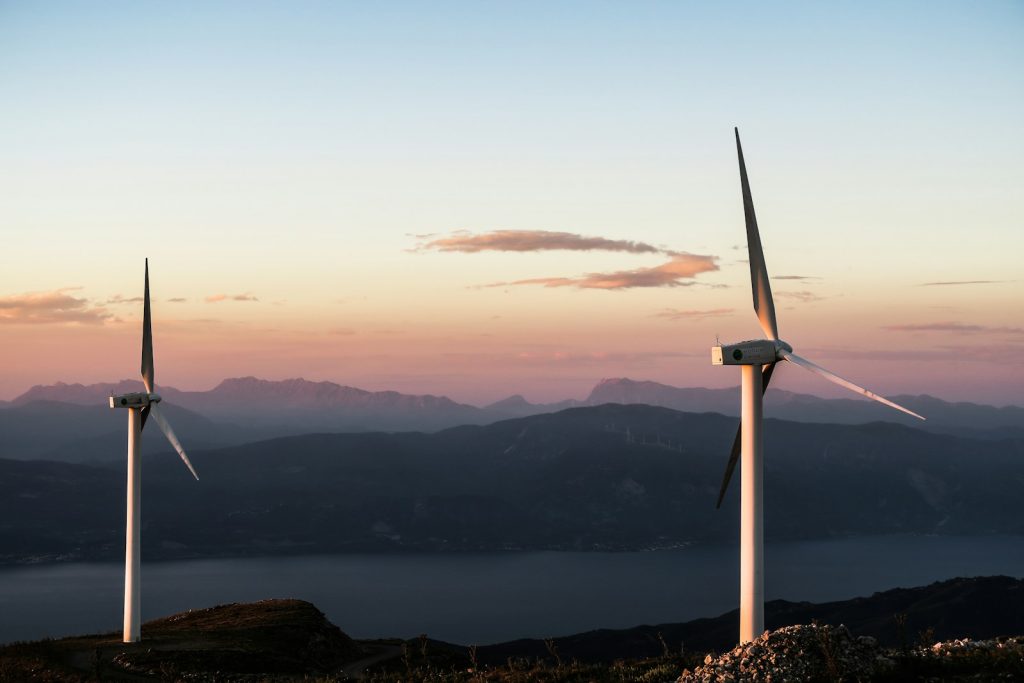
Renewable energy systems have become more accessible and effective, transforming homes from energy consumers to producers. Solar panels, once prohibitively expensive, have dropped in price by over 70% in the past decade while improving in efficiency. A typical 6kW residential system now generates enough electricity to offset 100% of an average household’s consumption in many regions. When coupled with battery storage, these systems provide energy independence even during grid outages. Wind turbines and geothermal heat pumps offer additional options for homeowners looking to further reduce their carbon footprint. Each of these technologies contributes to the vision of Building Tomorrow Greener Homes and Smarter Spaces by creating self-sufficient living environments that draw primarily on renewable resources.
Smart technology: making sustainability seamless
The integration of intelligent systems into home design represents perhaps the most exciting frontier in sustainable building. Smart thermostats learn occupants’ habits and adjust temperatures accordingly, reducing energy consumption by up to 15% according to studies by Pro Don Consultancy Group. Similarly, automated lighting systems ensure that electricity isn’t wasted illuminating empty rooms. These technologies succeed because they make sustainability effortless—rather than requiring constant vigilance from homeowners, they quietly optimize resource use in the background.
Water management has become equally sophisticated. Smart irrigation systems check weather forecasts and soil moisture levels before watering gardens, while low-flow fixtures and greywater recycling significantly reduce household water consumption. In drought-prone regions, these systems can save thousands of gallons annually per household. The beauty of these technologies lies in their ability to conserve resources without requiring lifestyle changes—the water savings happen automatically, without compromising the user experience.
Health and comfort in sustainable design
The concept of Building Tomorrow Greener Homes and Smarter Spaces extends beyond environmental benefits to encompass human health and wellbeing. Indoor air quality, often overlooked in conventional construction, receives particular attention in green building. Low-VOC paints and finishes prevent the off-gassing of harmful chemicals, while advanced ventilation systems ensure a constant supply of fresh air without sacrificing energy efficiency. These features address the concerning fact that indoor air can be 2-5 times more polluted than outdoor air, according to EPA research, even in urban environments.
Biophilic design elements—those that connect occupants with nature—have been shown to reduce stress and improve cognitive function. Strategic placement of windows to frame natural views, indoor gardens, and the use of natural materials like stone and wood create spaces that feel organically connected to the outdoor environment. These design choices aren’t merely aesthetic; studies show that hospital patients with views of nature recover faster, and office workers with access to natural light report higher job satisfaction and productivity. By incorporating these principles into homes, architects create spaces that support both physical and mental wellbeing.
The economic case for sustainable homes
While the environmental and health benefits of green building are compelling, the financial advantages have been crucial to widespread adoption. Energy-efficient homes typically command premium prices—between 3.5% and 10% higher than comparable conventional properties, according to research by the National Association of Home Builders. This price differential reflects not only lower operating costs but also greater durability and indoor comfort. For developers, the BA-202 certification process provides a framework for maximizing these benefits while minimizing additional construction costs.
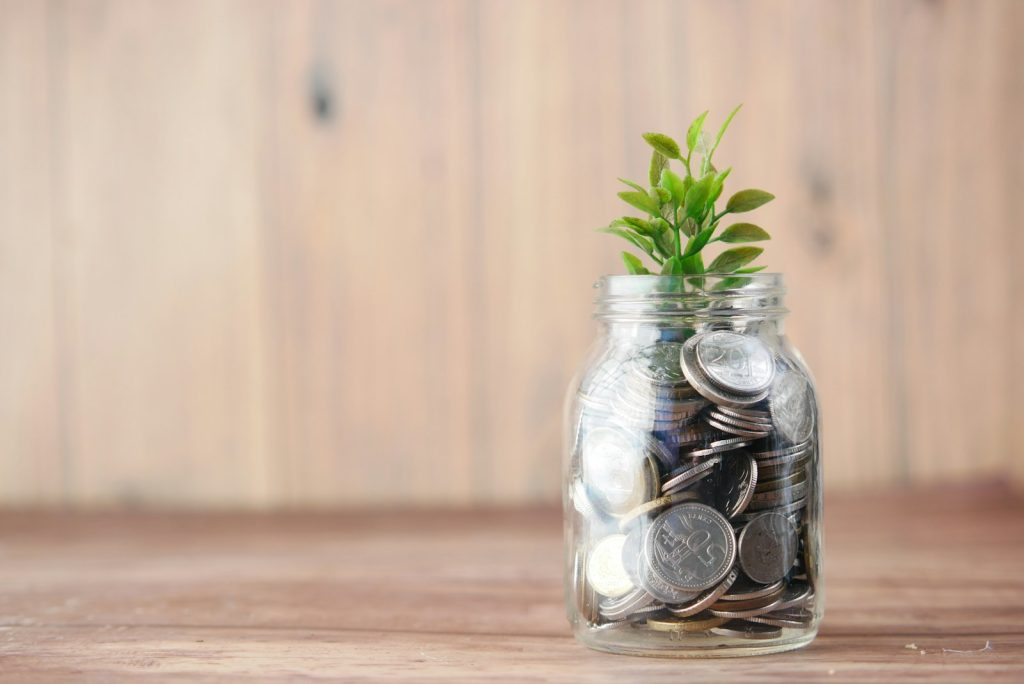
The long-term savings are even more significant. High-performance insulation and HVAC systems might increase upfront costs but reduce energy bills by 30-60% over the life of the home. When combined with renewable energy systems that may eventually generate income through net metering programs, the financial case becomes even stronger. Most importantly, these homes are better positioned to maintain their value in a future where energy costs are likely to rise and carbon regulations become stricter. By investing in Building Tomorrow Greener Homes and Smarter Spaces today, homeowners protect themselves against tomorrow’s economic uncertainties.
Green building represents one of the most promising paths toward a more sustainable future. By reducing energy consumption, minimizing waste, and creating healthier indoor environments, these homes address multiple environmental and social challenges simultaneously. As technology continues to advance and awareness grows, we can expect sustainable building practices to become not just common but standard. The homes we build today will stand for decades—by making them greener and smarter now, we create a legacy of sustainability that will benefit generations to come.
