
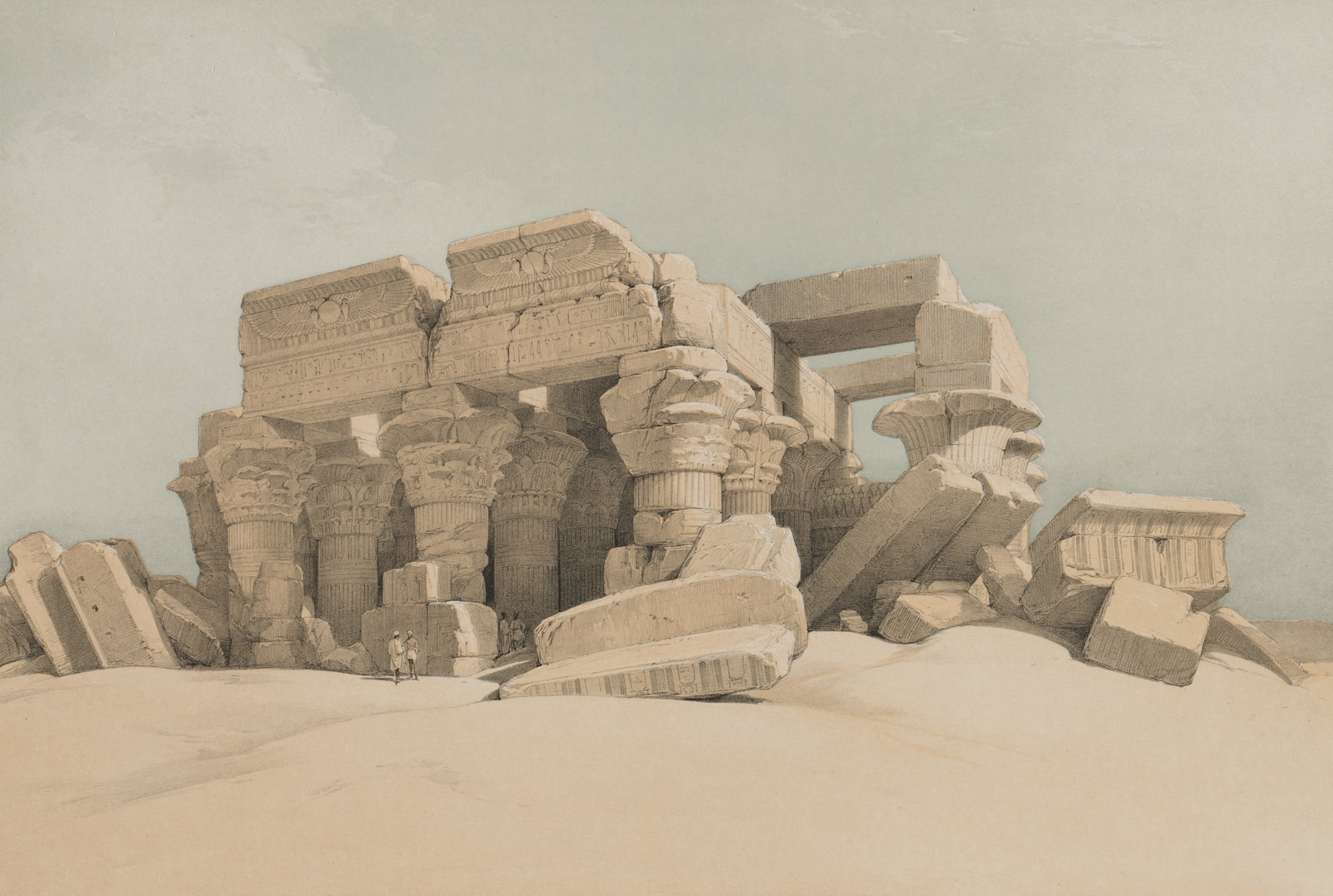
The magnificence of ancient Egyptian civilization continues to captivate our imagination thousands of years later. exploring the wonders of ancient Egyptian engineering reveals not just technological brilliance but provides insights into how these ancient innovators solved complex problems with limited tools. From the great pyramids to sophisticated irrigation systems, their engineering feats demonstrate an advanced understanding of mathematics, physics, and material science that was far ahead of their time. The precision and durability of their structures continue to puzzle modern engineers, who often find themselves marveling at solutions developed without computer modeling or powered machinery.
The pyramid builders: masters of precision
The Great Pyramid of Giza stands as perhaps the most iconic example of Egyptian engineering prowess. Built around 2560 BCE, this massive structure contains approximately 2.3 million stone blocks, each weighing between 2.5 and 15 tons. What makes this achievement truly remarkable is the precision with which these massive stones were cut and placed. The base of the Great Pyramid forms an almost perfect square, with sides that vary in length by less than 20 centimeters despite spanning more than 230 meters each. This level of accuracy would be challenging even with modern equipment.
Recent archaeological discoveries suggest the Egyptians utilized innovative ramp systems and lever mechanisms to move these massive stones. Much like how modern engineers might use a corrugated gasket to create a tight seal between surfaces, the ancient builders crafted stones with such precision that many fit together with gaps measuring less than 0.5 millimeters. This attention to detail explains why these structures have survived for millennia while many modern buildings require significant maintenance after just decades.
Hydraulic engineering and water management
Long before modern plumbing systems, ancient Egyptians developed sophisticated methods for controlling the Nile’s annual floods and distributing water throughout their agricultural lands. Their understanding of hydraulic principles allowed them to create irrigation channels, water lifting devices, and even primitive dams. The Nilometer, a structure used to measure the Nile’s water levels, demonstrates their understanding of the relationship between water height and potential crop yields.
The ancient Egyptian concept of ba u (spiritual power) wasn’t just religious—it influenced their engineering approach too. They viewed water management as a sacred responsibility, believing proper stewardship of the Nile’s waters connected them to divine forces. This spiritual dimension added purpose to their engineering efforts and potentially motivated the extreme precision we observe in their hydraulic systems. Their canals and irrigation networks operated with remarkable efficiency, using gravity flow principles that modern sustainable design still employs today.
Material innovation beyond stone
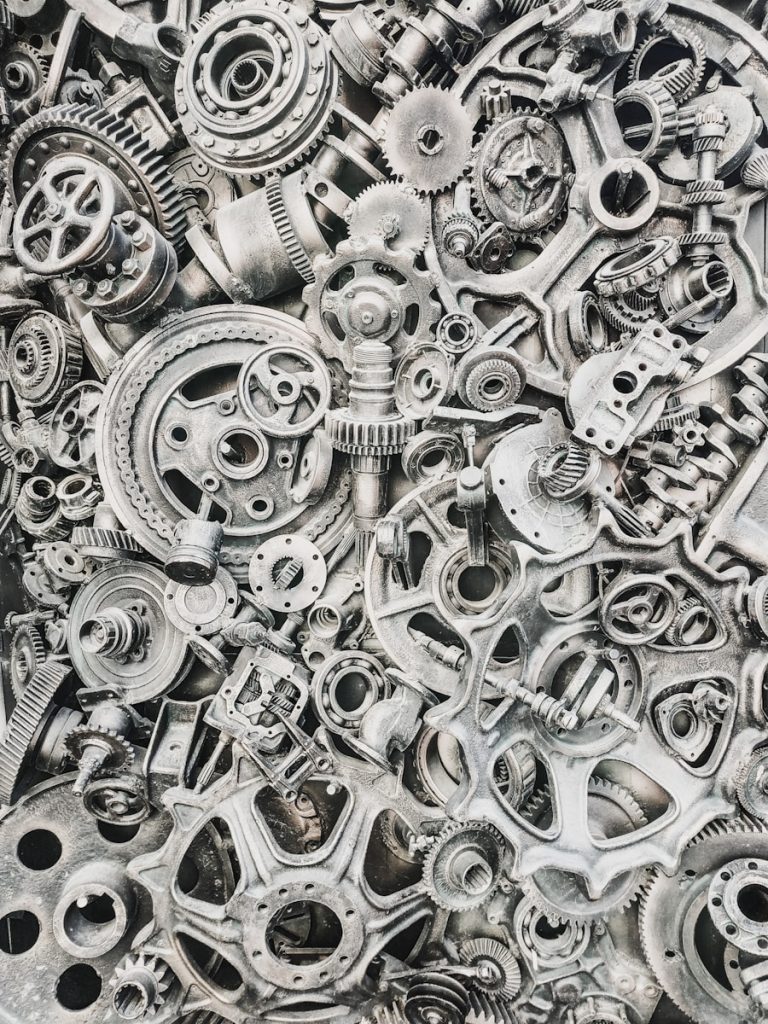
While their stone structures receive most attention, ancient Egyptians also pioneered advanced material composites. Their development of specialized mortars and concrete-like substances allowed them to create waterproof linings for cisterns and canals. These materials share conceptual similarities with modern graphite gasket sheet technology—both are designed to create impermeable barriers under specific conditions. The Egyptians mixed lime, clay, and organic materials to create binding agents that have demonstrated extraordinary durability.
Egyptian shipbuilders also displayed remarkable engineering ingenuity. Their vessels featured sophisticated hull designs that effectively distributed weight and resisted water pressure. The mortise-and-tenon joints used in their wooden ships represent an early form of stress distribution engineering that prevented structural failure. Without modern fasteners, they developed wooden joinery techniques so effective that several well-preserved ships have been recovered from burial sites, including the famous Khufu ship that remains intact after 4,500 years.
Mathematical foundations of Egyptian engineering
Behind every engineering achievement stood sophisticated mathematical understanding. The Egyptians developed practical mathematical systems for calculating volumes, areas, and angles—essential knowledge for building their monuments. The Rhind Mathematical Papyrus, dating to around 1650 BCE, contains evidence of their ability to calculate the area of circles and the volumes of cylinders and pyramids with remarkable accuracy.
They also understood principles of alignment and orientation. Many temples and pyramids are precisely aligned with celestial bodies, requiring accurate astronomical observations and calculations. The Great Pyramid’s sides align almost perfectly with true north, with an error of less than 0.05 degrees. This precision suggests they possessed methods for determining true north more accurately than many methods used before the modern era. Their approach to mathematics focused on practical applications rather than theoretical concepts, making them perhaps the world’s first applied mathematicians.
Engineering legacy that spans millennia
Exploring the wonders of ancient Egyptian engineering continues to yield new insights as modern technology allows us to examine these structures in unprecedented detail. Ground-penetrating radar, 3D modeling, and materials analysis have revealed construction techniques previously unknown. What’s particularly fascinating is how certain principles they developed remain relevant today. The way they distributed weight in their arched structures follows the same physics principles that modern bridge designers use. Their understanding of material properties led them to develop techniques for enhancing stone durability that modern conservationists still study.
The corrugated gasket design principle—creating an uneven surface to improve sealing properties—finds a parallel in how Egyptians sometimes intentionally left certain stones with slightly irregular surfaces to improve mortar adhesion. Their graphite gasket sheet equivalent might be found in the water-resistant linings they created for certain structures, where layers of different materials were combined to prevent water penetration. These ancient solutions to engineering challenges demonstrate that innovation often follows similar patterns across millennia, even when working with dramatically different materials and tools.

Understanding the full scope of ancient Egyptian engineering requires acknowledging that their technological achievements weren’t isolated from their cultural context. The concept of ba u influenced how they approached their work, seeing it as both practical and spiritually significant. This holistic approach to engineering—where technical solutions served both practical and cultural purposes—created a unique legacy that continues to inspire modern engineers and architects seeking to create structures that harmonize with their environments and cultural contexts.
Exploring the wonders of ancient Egyptian engineering isn’t just about admiring ancient monuments—it’s about recognizing one of humanity’s greatest technological achievements and drawing lessons that remain relevant in our modern world. Their legacy reminds us that remarkable things can be accomplished through patience, precision, and innovative thinking, even without advanced technology. The pyramids and temples stand not just as monuments to pharaohs, but as testaments to human ingenuity that continues to influence how we build our world today.
